If you are thinking about buying on Maryland’s Eastern Shore, Queenstown deserves a closer look. It offers a mix that can be hard to find in one place: small-town scale, easy access to shopping and golf, and strong proximity to water recreation across the surrounding shore. If you want to understand what living here might actually feel like, what kinds of homes you may find, and how Queenstown compares with nearby towns, this guide will help you sort through the options. Let’s dive in.
Why buyers look at Queenstown
Queenstown is a small incorporated town in Queen Anne’s County with deep local history. It was founded in 1707 as Queen Anne’s Towne and served as the county’s first seat before that role moved to Centreville in 1782.
Today, Queenstown stands out because it blends residential living with a regional destination feel. County and town sources note that the town limits include the large outlet complex and Queenstown Harbor Golf Links, which gives the area a different rhythm than many smaller Shore towns.
For many buyers, that means you can enjoy a quieter Eastern Shore setting without feeling far removed from everyday conveniences and recreation. If your ideal home base includes room to spread out, a casual pace, and easy access to amenities, Queenstown often lands on the shortlist.
What the housing stock looks like
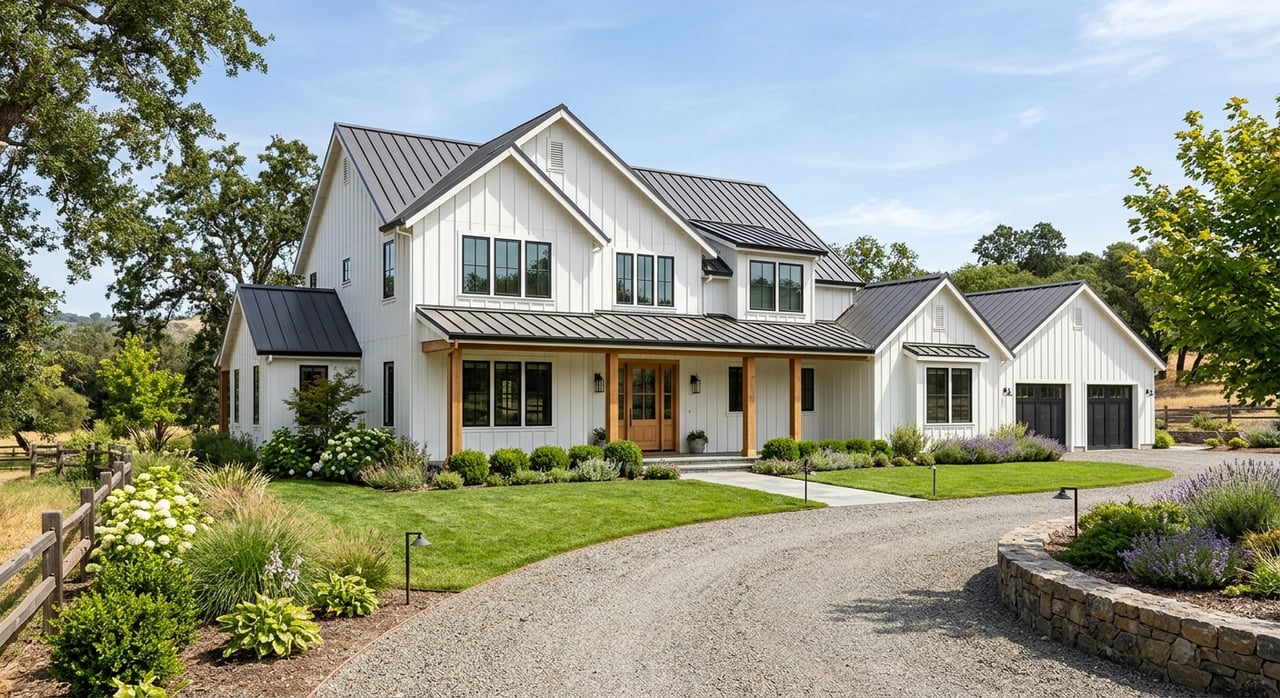
Queenstown is not best understood as a dense subdivision market. Current listing patterns point to a lower-density mix of detached homes, waterfront properties, and land opportunities.
Recent listing snapshots show homes ranging roughly from 1,084 to 2,702 square feet, along with parcels from about 0.29 acres to 2 acres. Several available lots have fallen around the 0.9 to 1.11 acre range, which supports the idea that buyers here often have more room than they might expect in a more compact town setting.
That broader housing mix matters because it gives you more than one way to buy into the area. You may be choosing between an in-town home with convenience, a property with more privacy and land, or a waterfront or water-view setting tied to the Shore lifestyle.
Common property types in Queenstown
Based on current market snapshots, buyers will often come across:
- Detached single-family homes
- Waterfront homes
- Water-view properties
- Larger-lot or acreage-friendly homesites
- Land or lot opportunities for future plans
- Some duplex or triplex options
This variety can be especially appealing if your needs are lifestyle-driven. You may want space for hobbies, room between neighbors, or a property that serves as a full-time home with an Eastern Shore feel.
How much land you can expect
One of Queenstown’s biggest draws is the chance to find more land than you may see in a more urban or tightly built setting. While inventory always changes, current listing patterns suggest that lot size is an important part of the local appeal.
In practical terms, you may find properties on modest in-town lots, but you will also see homesites approaching an acre or more. That makes Queenstown worth considering if privacy, outdoor space, or flexibility for the property’s use is important to you.
If you are comparing homes across the county, it helps to view Queenstown as acreage-friendly rather than highly condensed. That does not mean every home has a large parcel, but it does mean larger lots are a meaningful part of the market conversation here.
Lifestyle drivers around Queenstown
For a small town, Queenstown has some unusually strong lifestyle anchors. That is one reason it appeals to buyers who want more than just a house.
Queenstown Premium Outlets is the area’s most visible retail hub. It is described as an outdoor outlet center east of the Chesapeake Bay Bridge at the Route 301 and 50 split, with dozens of designer and name-brand stores.
Queenstown Harbor Golf is another major draw. The club offers two public courses year-round along the Chester River, including a course near where the Chester River meets the Chesapeake Bay.
Together, those features make Queenstown feel distinct within the county. Instead of relying on a traditional downtown for its identity, it has a more spread-out amenity pattern built around major retail, golf, and access to the surrounding water-oriented landscape.
Water recreation nearby
Even if you do not buy a direct waterfront property, Queenstown still puts you near meaningful outdoor access. This is a big part of the area’s appeal.
Wye Island Natural Resources Management Area sits in Queenstown between the Wye River and Wye East River. It includes about 2,800 acres and 30 miles of shoreline, giving buyers a strong sense of how much natural waterfront setting surrounds the area.
Nearby public recreation options also include:
- Terrapin Nature Park, with a 3.25-mile trail and Bay Bridge views
- Matapeake Beach in Stevensville, the county’s only public swimming beach
- Ferry Point Park in Chester, a 41-acre passive park surrounded by water
- Jackson Creek Landing, with kayak and canoe launching on the lower Chester River
If your version of home includes paddling, walking trails, water views, or easy day access to Shore recreation, Queenstown gives you a strong starting point.
Queenstown versus nearby towns
One of the smartest ways to buy confidently is to compare towns before you focus too narrowly on one property. Queenstown can be a great fit, but it is not the same experience as other nearby Shore communities.
The right choice often comes down to what matters most in your day-to-day life: shopping, water recreation, civic access, a more traditional downtown, or larger-lot living.
Queenstown vs. Centreville
Centreville is the county seat and the county’s largest incorporated municipality. County sources describe it as a place for state, county, and municipal government services, along with shops, services, businesses, restaurants, and historic sites.
Compared with Queenstown, Centreville reads as more of a civic and inland hub. If you want proximity to government services and a more service-centered town environment, Centreville may feel more practical.
Queenstown, by contrast, is more closely associated with outlet shopping, golf, and lower-density residential choices. If that mix suits your lifestyle better, Queenstown may be the stronger fit.
Queenstown vs. Stevensville and Grasonville
Stevensville and Grasonville tend to lean more toward Kent Island recreation and bridge-area convenience. County sources highlight trail systems, beach access, visitor amenities, waterfront landings, and connections around Kent Narrows.
If your top priorities are beach access, trail use, marina-oriented recreation, or quick connection to the bridge area, those communities may feel more aligned with your goals. They offer a different kind of Shore experience.
Queenstown still gives you access to water recreation, but its identity is less marina-and-beach centered. It is often a better match if you want shopping and golf in the mix, along with a smaller-town setting and larger-lot possibilities.
Queenstown vs. Easton
Easton offers a more developed small-town downtown environment. Official town information describes it as an arts and cultural center with historic architecture, shopping, restaurants, galleries, public golf courses, and nearby tributaries.
For buyers who want more walkability and a stronger concentration of services in a downtown setting, Easton may check more boxes. It offers a fuller town-center experience.
Queenstown is different. It is less about a traditional downtown and more about convenience to major amenities paired with roomier residential patterns.
Queenstown vs. Chestertown
Chestertown is known for history and riverfront character. Local sources describe preserved 18th-century architecture, brick sidewalks, boutiques, galleries, and river recreation.
If you picture yourself in a historic main-street setting, Chestertown may be worth a close look. If you prefer Queenstown, you may be drawn to its more open layout, road-corridor convenience, and amenity clusters rather than a historic commercial core.
Who Queenstown tends to suit best
Queenstown can work for different kinds of buyers, but it tends to stand out for a few specific goals. It is often a strong match if you want an Eastern Shore lifestyle without committing fully to a downtown-centered or marina-centered town.
You may find Queenstown especially appealing if you are looking for:
- A smaller-town Shore setting
- Access to shopping without leaving the immediate area
- Public golf nearby
- Proximity to water recreation
- A home with more land or privacy
- Waterfront or water-view possibilities
For some buyers, that combination is exactly the sweet spot. You get access to activities and conveniences while still keeping the calmer pace many people want from the Shore.
Budget context for Queen Anne’s County
As you compare Queenstown with nearby towns, countywide numbers can offer useful perspective. In 2025, Queen Anne’s County had an estimated population of 54,448, an owner-occupied housing rate of 82.9%, a median owner-occupied home value of $462,700, and a median household income of $112,826.
These figures are not Queenstown-only pricing data, but they can still help you frame expectations as you search. They provide a useful benchmark when you are evaluating options across the county and trying to decide where your budget may stretch furthest.
Smart steps before you buy in Queenstown
A clear process can make your search much less stressful, especially in a market where lifestyle tradeoffs matter as much as square footage. Before you fall in love with a home, it helps to define what you really want from the location.
Start with these steps:
- Get clear on your budget and comfort range.
- Decide whether lot size, convenience, or water setting matters most.
- Compare Queenstown with nearby towns in person when possible.
- Look at property type, not just price, since land and lifestyle can vary a lot.
- Plan for inspections and due diligence so you understand the home fully before closing.
This kind of step-by-step approach is especially helpful if you are balancing practical needs with lifestyle goals. A home in Queenstown may look similar on paper to a home elsewhere, but the day-to-day experience can be very different.
Why local guidance matters here
Queenstown is a good example of why local knowledge matters on the Eastern Shore. The choice is not simply about finding a house with the right number of bedrooms. It is also about understanding whether you want a retail-and-golf-centered location, a civic hub, a beach-and-marina environment, or a more traditional downtown feel.
That is where calm, informed guidance can make a real difference. When you understand the tradeoffs between towns, lot patterns, and property types, you can buy with much more confidence.
If Queenstown or the surrounding shore is on your radar, working with someone who knows how these communities compare can help you narrow the field faster and focus on homes that truly fit your goals. When you are ready to explore the area, connect with Tina Brown for personalized guidance rooted in local Eastern Shore knowledge.
FAQs
What types of homes can buyers find in Queenstown, Maryland?
- Buyers in Queenstown may find detached single-family homes, waterfront properties, water-view homes, duplex or triplex options, and land or lots for sale.
How much land can you expect when buying a home in Queenstown?
- Current listing snapshots show parcels ranging from about 0.29 acres to 2 acres, with several listings around 0.9 to 1.11 acres, so Queenstown often offers more space than a compact subdivision market.
What amenities are near homes in Queenstown, Maryland?
- Queenstown is known for Queenstown Premium Outlets, Queenstown Harbor Golf, and access to nearby outdoor recreation such as Wye Island, Terrapin Nature Park, Ferry Point Park, Matapeake Beach, and Jackson Creek Landing.
How does Queenstown compare with Centreville for homebuyers?
- Centreville functions more as a civic and service hub, while Queenstown is more closely tied to shopping, golf, and lower-density residential options.
Is Queenstown a good fit if you want water access on the Eastern Shore?
- Yes, Queenstown offers strong proximity to water recreation and shoreline areas, even if you do not buy a direct waterfront property.
How does Queenstown compare with Easton or Chestertown for walkability?
- Easton and Chestertown are generally better fits for buyers who want a more traditional downtown experience, while Queenstown is better known for its amenity clusters, road-corridor convenience, and larger-lot feel.