If you want top dollar for your Queen Anne’s County home, two things matter most: smart pricing and thoughtful preparation. You might be juggling timing, repairs, and where you’ll move next. With a clear plan, you can cut stress, attract better offers, and close with confidence. In this guide, you’ll learn how to set the right price for your micro‑market and what to do before you list so buyers fall in love online and in person. Let’s dive in.
Know the Queen Anne’s County market
Pricing starts with context. Countywide, recent snapshots show a median sold price around the mid to high $500,000s and an average days on market near 82 days. You can see both in the latest county summary from Realtor.com’s market page. Different data sources calculate things differently. For example, Redfin’s county metric for the same period trends lower, reflecting a different mix of properties.
Inventory also shapes strategy. Bright MLS aggregate data for the Eastern Shore shows months of inventory in the low to mid 4 range during busy periods. That leans toward a balanced market with a slight edge for well‑priced, well‑prepared homes. You can see a recent rollup in this Bright MLS summary.
The big takeaway: County averages hide important differences. Kent Island and waterfront properties behave differently than inland Centreville or rural areas. Price with micro‑market comps, not broad county numbers.
Price with a local CMA
Build a focused comp set
A comparative market analysis, or CMA, is your foundation. Here is the standard approach agents use:
- Define the smallest market area that yields good comps. That could be a neighborhood, a school district boundary, or a micro‑market like Kent Island.
- Choose a time window. In active areas, look at the last 3 to 6 months. In slower or rural pockets, expand to 6 to 12 months and document why.
- Select 3 to 6 closed sales that are most similar to your home. If inventory is thin, add pendings and actives as context, but base value on closed sales.
- Adjust for key differences. Typical adjustments include square footage, beds and baths, finished basement, condition, lot usability, utilities (public sewer versus septic, well versus public), garage, and waterfront details.
- Translate adjusted values into a price range and a launch strategy. Decide whether you will list slightly below market to generate attention, list at market to capture full value, or list high with a plan to test and adjust quickly.
These steps reflect lender and appraisal norms too. That makes your pricing story easy to explain if the buyer’s appraisal enters the picture.
Appraisal differences to expect
Appraisers focus on recent closed sales and follow lender guidance. If the home is unique or the market is thin, they may use older or farther comps but must justify them. Keep your CMA tight and well documented so you can speak to value if questions arise.
Local adjustments that matter most
- Waterfront factors can swing value. Private dock rights, bulkhead condition, and tidal exposure often add value, while flood risk and higher insurance costs can reduce it.
- Utility type affects price. In rural parts of the county, public sewer or water may be a plus. Well yield, well water quality, and septic age or design can become negotiation points.
Prepare your home for market
Do the quick wins first
Focus on what buyers notice most on day one and what could stall a deal later.
- Declutter, deep clean, and fix obvious safety and function issues. Proper smoke and CO alarms, doors and windows that latch, and working lights build trust. Maryland requires sellers to deliver a property disclosure or disclaimer form, so you will want clean, accurate information from the start. Review the statute wording in Md. Code §10‑702.
- Boost curb appeal. Mow and edge, prune shrubs, power‑wash siding and walks, and refresh your entry with a new mat and potted plants. Exterior projects often deliver strong payback at resale based on the annual Cost vs. Value data.
- Touch up paint in neutral tones and fix small flooring issues. Replace HVAC filters and confirm all systems function as intended.
- Plan for standout visuals. Order professional photos, a measured floor plan, and one high‑quality virtual tour. These tools are especially helpful for out‑of‑area buyers shopping on the Eastern Shore.
Target high‑ROI updates
Use data to avoid over‑improving. The Cost vs. Value 2025 report shows certain projects often recoup a high percentage of cost:
- Garage door replacement and steel entry door replacement
- Manufactured stone veneer accents for curb appeal
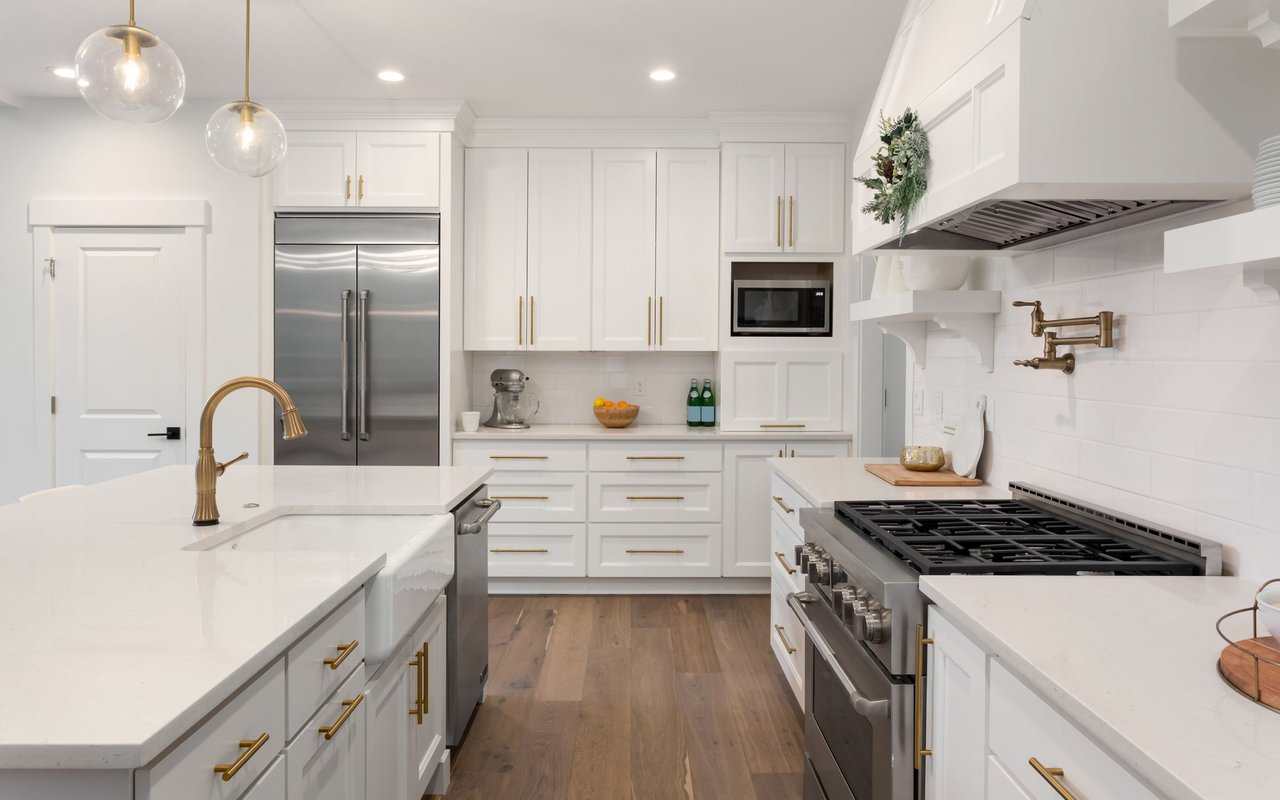
- Minor kitchen refreshes, like cabinet refacing, updated counters, and newer appliances
Review project trends in the Cost vs. Value 2025 report. Small, well‑chosen updates usually outperform big remodels on percentage return.
Stage the right spaces
Staging helps buyers picture themselves living in your home. The National Association of Realtors’ 2025 findings show many agents report staging reduces time on market, and about 29% say it led to a 1 to 10 percent increase in offer price. The median reported staging cost was around $1,500. Focus on the living room, kitchen, and primary bedroom for the best impact. See the summary highlights in this NAR staging report.
If you are listing a waterfront home, add drone images and a twilight shoot to feature outdoor living spaces, the shoreline, and the dock.
Consider a pre‑listing inspection and organize disclosures
Maryland requires a property disclosure or a disclaimer form in most residential sales. Even with a disclaimer, you must disclose known latent defects that affect health or safety. A pre‑listing inspection or targeted pre‑listing repairs can reduce risk and speed negotiations. Review the rules in Md. Code §10‑702.
In Queen Anne’s County, wastewater systems have local requirements. The county code outlines permits, inspections, and a five‑year septic pump‑out program. Gather well and septic service records now to prevent surprises later. You can read the private wastewater system rules in the county code reference.
Shore‑specific factors to check
Waterfront and flood considerations
If your home is near the Bay or a river, confirm the property’s flood zone and whether flood insurance is required. Many buyers ask for documentation early. The FEMA Map Service Center is the official source for flood maps. Keep any elevation certificates, shoreline work permits, and bulkhead or dock service records on hand.
Wells, septic, and utility clarity
Well water testing and septic condition are common negotiation items in rural parts of the county. While Maryland’s disclosure rules cover what you must share about known water and sewer conditions, local practice varies on what tests are ordered during a sale. Queen Anne’s County requires septic pump‑outs and has permitting rules for private wastewater systems. If you have questions about your specific system, contact Queen Anne’s County Environmental Health. The county’s code details are here: private wastewater systems.
Timing and launch strategy
Pick the right week if you can
Early spring often brings the strongest buyer activity. Realtor.com’s 2025 analysis identified April 13 to 19 as the best single historical week to list across many markets. If your schedule allows, aim your preparation toward a spring launch and check your micro‑market’s recent listing patterns in Bright MLS. Read the national timing analysis here: best time to sell.
Market where your buyers are
- Use professional photos, floor plans, and one high‑quality virtual tour to stand out on Bright MLS and major home search sites.
- For waterfront or Bay Bridge‑convenient homes, target commuters and out‑of‑area buyers with social ads that show lifestyle and access.
- Host a broker preview before public showings. In a slower segment, plan a couple of open houses and prioritize private showings for qualified buyers.
An 8 to 12‑week prep plan
Here is a practical timeline you can adapt to your list date.
- Weeks 8 to 6: Gather documents. Find your survey, septic and well records, mechanical receipts, roof age, and any HOA information. Review and prepare your Maryland disclosure or disclaimer form with your agent.
- Weeks 6 to 4: Complete safety repairs and service key systems. Do touch‑up painting, minor carpentry, and curb appeal projects.
- Weeks 4 to 2: Schedule professional photos and a floor plan. If staging, install now. Do your final deep clean and remove any last‑minute clutter.
- Week 0: Go live early in the week. Host a broker preview and schedule a strong first weekend of private showings and, if appropriate, an open house. Track showing feedback closely to confirm your price or to make quick adjustments.
Estimated prep investments can vary. As a ballpark, you might plan for professional photos at $300 to $600, basic staging at $1,000 to $3,000, minor paint and landscaping at $1,000 to $5,000, and a targeted kitchen refresh based on scope. Use the Cost vs. Value data to focus on the best returns for your price tier.
What to expect for taxes and fees
When you estimate closing costs, include local taxes and transfer charges. Queen Anne’s County lists a county property tax rate for the current assessment year, a transfer tax of 0.5 percent of the sale price, a reduced 0.25 percent transfer tax for qualifying first‑time Maryland homebuyers, and a recordation tax based on consideration. Check the current figures on the Queen Anne’s County tax rates page while building your net sheet.
Next steps
Selling on the Eastern Shore is about fit and finish, plus a pricing story that makes sense in your micro‑market. When you pair a clean, well‑staged home with a data‑driven CMA and a timed launch, you give buyers every reason to act.
If you would like help tailoring this plan to your home in Queen Anne’s County, let’s talk about your timing, upgrades, and pricing options. Connect with Tina Brown to start your custom selling strategy.
FAQs
What is the best way to price a Queen Anne’s County home?
- Build a focused CMA using recent closed sales from your micro‑market, adjust for condition and features like utilities and waterfront details, and set a price strategy you can test within the first two weeks.
How much should I spend on pre‑listing updates?
- Start with cleaning, paint, and curb appeal, then consider high‑ROI projects like a garage or entry door replacement or a minor kitchen refresh based on the Cost vs. Value trends for your price tier.
Does Maryland require a seller disclosure form?
- Yes. In most residential sales, you must deliver a Maryland property disclosure or disclaimer form, and you are still required to disclose known latent defects that affect health or safety.
Do I need to test my well or inspect the septic before selling?
- Requirements vary by property. Queen Anne’s County regulates private wastewater systems and requires periodic pump‑outs, so gather your records and ask your agent about buyer expectations and any property‑specific steps.
When should I list to attract the most buyers?
- Early spring often brings the most activity. Realtor.com’s 2025 analysis points to mid‑April as a historically strong week, but you should also time your launch to align with local listing patterns in your segment.